
Hybrid Outsourcing Model
How a blended in-house and outsourced editing model helps teams scale content without losing quality or control.
Dedicated Video Editor Service: When a Subscription Beats a Full-Time Hire
Most businesses that are considering hiring a full-time video editor have not run the real numbers. When you include benefits, equipment, software licenses, desk space, and management overhead, a full-time junior editor in the US costs $65,000 to $80,000 per year in total. This guide runs the full cost comparison and identifies the output threshold at which a subscription service wins on economics.
Read More
SaaS Product Demo Video: The Editing Framework That Drives Free Trials
A SaaS product demo video that shows everything the product does is not the same as one that makes someone want to try it. This guide covers the editing framework that bridges the gap between a screen recording and a conversion asset, including the three demo formats every SaaS product needs and how to produce them efficiently from a single recording session.
Read More
Best Video Editing Service in 2026: An Honest Comparison
Most roundups of the best video editing services are written by people who have not actually used any of them. This comparison breaks down the structural differences between the major players, what each model is actually optimized for, and how to match the right service to your specific production situation.
Read More
Vidpros vs Editing Machine: Which Fractional Model Is Right for You?
Both Vidpros and Editing Machine offer subscription-based video editing, but the underlying models are structurally different in ways that matter at scale. This comparison breaks down the single-editor vs pod-team distinction, how each handles volume spikes and availability gaps, and which model suits your production situation.
Read More
Video Editing Rates in 2026: Freelancer vs Agency vs Subscription
Comparing video editing rates is harder than it looks because the cheapest quote per video is rarely the cheapest option overall. This guide breaks down freelancer, agency, and subscription pricing models side by side, including the hidden costs of revision time and missed deadlines that rarely make it into the initial quote.
Read More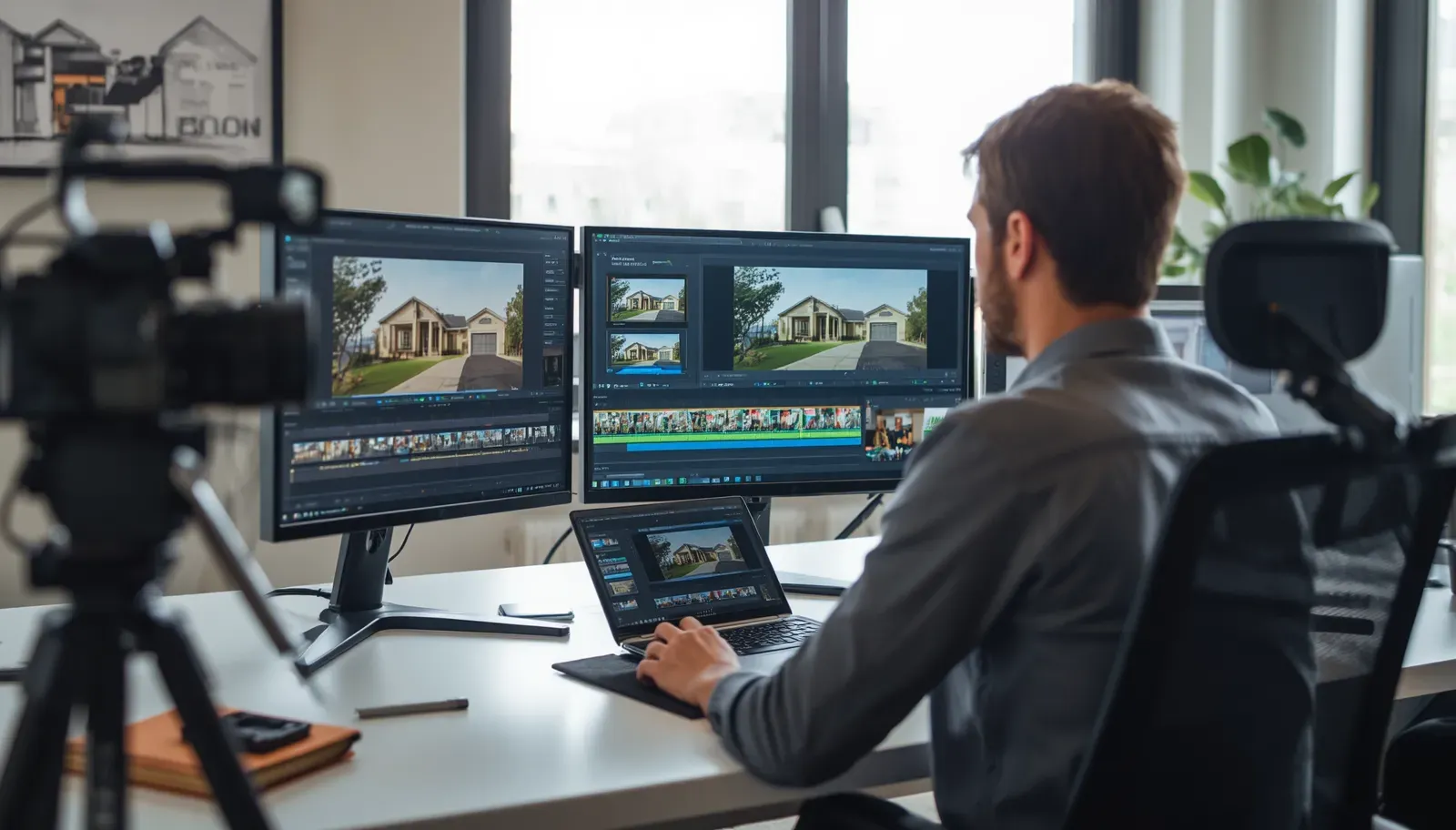
Real Estate Video Editing Services: How Agents Close More Listings with Video
Most real estate agents lose listing inquiries not because of bad footage, but because of slow, inconsistent post-production. Discover the four video formats every agent needs, a full cost comparison of freelancers vs subscription services, and the briefing framework that eliminates revision loops.
Read More
Fast Turnaround Video Editing: The 12-Hour Advantage
In 2026, the traditional 48-hour service level agreement for video editing is obsolete and creates a competitive disadvantage. True "Fast Turnaround" is defined as 12-24 hour delivery, essential for capturing the brief "Viral Window" and accelerating ad performance. Hybrid workflows break this speed limit by utilizing AI automation and Global Pods, turning your sleep time into production time.
Read More
Flocksy vs. Editing Machine: Specialist vs. Generalist
The debate between generalist (Flocksy) and specialist (Editing Machine) creative subscriptions highlights a critical gap in video quality. All-in-one bundles often rely on graphic designers for video, resulting in "PowerPoint-style" edits that lack narrative flow and proper sound engineering. Ultimately, specialization is the only path to premium video output, offering faster turnarounds and superior quality for essential assets like commercials and YouTube content.
Read More
Why "Time-to-Publish" Matters More Than Cost-Per-Video
Video production ROI is best measured by **Content Velocity**, the speed at which raw ideas are converted into published assets. Optimizing for cost alone incurs a high "Opportunity Cost" from lost revenue and missed trends. Prioritizing **Time-to-Publish** maximizes audience growth and yields a significantly higher long-term return.
Read More