Vidpros vs Editing Machine: Which Fractional Model Is Right for You?
Both Vidpros and Editing Machine offer subscription-based video editing, but the underlying models are structurally different in ways that matter at scale. This comparison breaks down the single-editor vs pod-team distinction, how each handles volume spikes and availability gaps, and which model suits your production situation.
Vidpros vs Editing Machine: What Is the Core Difference? Vidpros assigns a single dedicated editor to your account on a fractional basis, typically part-time hours that scale with your plan. Editing Machine uses a pod-based team model where multiple editors and an AI workflow layer handle your content, with no reliance on a single individual. Both are subscription-based fractional video editing services, but the structural difference between a one-person model and a team model has real implications for consistency, availability, and scale.
Key Takeaways:
Single Editor vs Team: Vidpros' single-editor model builds deep brand familiarity but creates a single point of failure. Editing Machine's pod model distributes risk without sacrificing brand consistency.
Volume Handling: A solo fractional editor has a fixed capacity ceiling. A team-based service scales across editors when volume spikes.
AI Integration: Editing Machine's hybrid model uses AI for repetitive tasks, freeing human editors to focus on storytelling and brand judgment. Vidpros is a purely human editing service.
Why the Fractional Model Exists
Both Vidpros and Editing Machine are responding to the same market problem: hiring a full-time in-house video editor is expensive, managing a rotating pool of freelancers is unpredictable, and traditional agencies are too slow and too expensive for brands that need consistent, high-volume video output.
The fractional model sits between full-time employment and freelancing, offering dedicated capacity at a predictable monthly cost without the overhead of a full-time hire. Where Vidpros and Editing Machine diverge is in how they deliver that fractional capacity: one person versus a coordinated team. That structural difference matters more than it might initially appear.
For the full context on why the fractional model has become the default choice for scaling brands, see our comprehensive guide on Fractional Video Editing Teams: The System vs. The Person.
Chapter 1: The Single-Editor Model (Vidpros)
Vidpros operates on a dedicated-editor model. When you subscribe, you are assigned one editor who becomes familiar with your brand, your style preferences, your recurring formats, and your revision patterns. Over time, that editor requires progressively less briefing because they have built up a working knowledge of your content.
This model has a genuine strength: deep individual familiarity. A good dedicated editor who has worked on your content for six months will often intuit preferences that are difficult to document formally. They know which cuts you love, how much breathing room you like between sentences, and how you prefer your branding applied across different formats.
The Single Point of Failure Problem
The structural weakness of any single-editor model is availability. If your dedicated editor is sick, on holiday, dealing with a family emergency, or simply overloaded with other clients on their roster, your production timeline waits. There is no team member who can step in with the same level of familiarity, because the institutional knowledge of your brand lives with one person.
For brands with a rigid publishing schedule, a monthly deadline for client deliverables, or a campaign tied to a specific launch date, this availability risk is not theoretical. It is a real operational vulnerability that can cause real damage at exactly the wrong moment.
Chapter 2: The Pod-Based Team Model (Editing Machine)
Editing Machine's model is built around a pod: a small team of editors supported by an AI workflow layer, all working from a shared Brand Profile that documents your visual identity, preferred music, lower-third standards, color treatment, and format requirements. When you submit a project, the pod handles it collectively, with brand consistency enforced by the shared documentation rather than by any one person's memory.
How the AI Layer Works
The hybrid model handles repetitive, high-accuracy tasks with AI tools: audio synchronization, noise reduction, color correction baseline, subtitle timing, and format reformatting for different aspect ratios. Human editors then apply creative judgment to pacing, storytelling structure, brand voice, and the nuanced decisions that AI cannot yet reliably make. This division of labor allows the human editors to spend their time on the work that actually requires human judgment rather than on technical tasks that software can handle faster and more consistently.
How Brand Consistency Is Maintained Without a Single Editor
The common concern with a team model is consistency: if multiple editors are working on your content, will everything still look and sound like one coherent brand? The answer depends entirely on the quality of the documentation layer. A well-built Brand Profile, covering color grading approach, music style and volume level, lower-third templates, intro and outro sequences, and format specifications for each platform, functions as the institutional memory that would otherwise live with a single editor.
For more on how to build this documentation layer effectively, see our guide on An Expert's Guide to Outsourcing Video Editing.
Chapter 3: Head-to-Head Comparison
Criteria | Vidpros | Editing Machine |
Editor Model | Single dedicated editor | Pod-based team with AI workflow |
Brand Familiarity | Deep over time, lives with one person | Documented in Brand Profile, shared across team |
Availability Risk | High: one editor, one point of failure | Low: team-based redundancy |
Volume Scalability | Capped by one editor's capacity | Scales across pod members |
Turnaround | Varies by editor workload | 12 to 24 hours standard |
AI Integration | None, fully human editing | AI handles technical tasks, humans handle creative judgment |
Multi-Format Output | Available, scope varies by plan | Included as standard across all formats |
Best For | Lower volume, style-sensitive content where one editor's depth matters most | Higher volume, deadline-driven, or multi-format production |
Chapter 4: Which Model Fits Your Situation
Choose a Single-Editor Model When
● Your content volume is relatively low, typically under 4 videos per month
● Your editing style is highly nuanced and difficult to document in writing
● You have the time to invest in building a long-term relationship with one editor
● Schedule flexibility means a delay is inconvenient but not operationally critical
Choose a Team-Based Model When
● Your production schedule is non-negotiable: campaigns, launches, or client deadlines that cannot slip
● Volume is growing or inconsistent month-to-month and you need capacity to absorb spikes
● You need multi-format output delivered together, not as separate negotiated add-ons
● You want the speed benefits of AI-assisted workflows without sacrificing creative quality
For brands that have already outgrown a single freelancer and are evaluating their next step, our guide Fast Turnaround Video Editing: The 12-Hour Advantage explains why turnaround speed compounds into a meaningful production and revenue advantage at scale. And if you are also comparing generalist design platforms like Flocksy, see our breakdown in Flocksy vs Editing Machine: Specialist vs Generalist.
Frequently Asked Questions
Q: What is the difference between Vidpros and Editing Machine?
A: Vidpros assigns a single dedicated editor on a fractional basis. Editing Machine uses a pod-based team model supported by AI workflow tools, so multiple editors work on your content with no single point of failure if someone becomes unavailable.
Q: Which is better for high-volume video content?
A: For brands producing five or more videos per month, a pod-based service like Editing Machine typically handles volume spikes more reliably because the workload is distributed across a team rather than depending on one editor's capacity.
Q: How does Vidpros pricing compare to Editing Machine?
A: Both services operate on monthly subscription models with comparable entry price points. The key cost difference emerges at scale: Editing Machine's team model delivers multi-format output as standard, while additional formats with a single-editor model may require negotiating scope.
Q: Is a dedicated editor better than a team of editors?
A: A dedicated editor builds deep familiarity with your brand style over time, which is an advantage. The trade-off is availability risk: illness, overload, or departure means production stops. A team model distributes that risk while maintaining brand consistency through shared style documentation and SOPs.
See the pod model in action. Editing Machine combines a dedicated editing team with AI-powered workflow tools to deliver consistent, fast, multi-format video content without the single-editor risk. See how it works.
More from the Blog
Video Content Repurposing: The 10x Multiplier Framework
Most content creators treat repurposing as something they do when they have time, which means they almost never do it. The 10x Multiplier Framework treats it as the default production model: every recording session is planned with repurposing built in from the start, and every edited asset points toward the next format. This guide covers the full framework and the specific formats each recording type should produce.
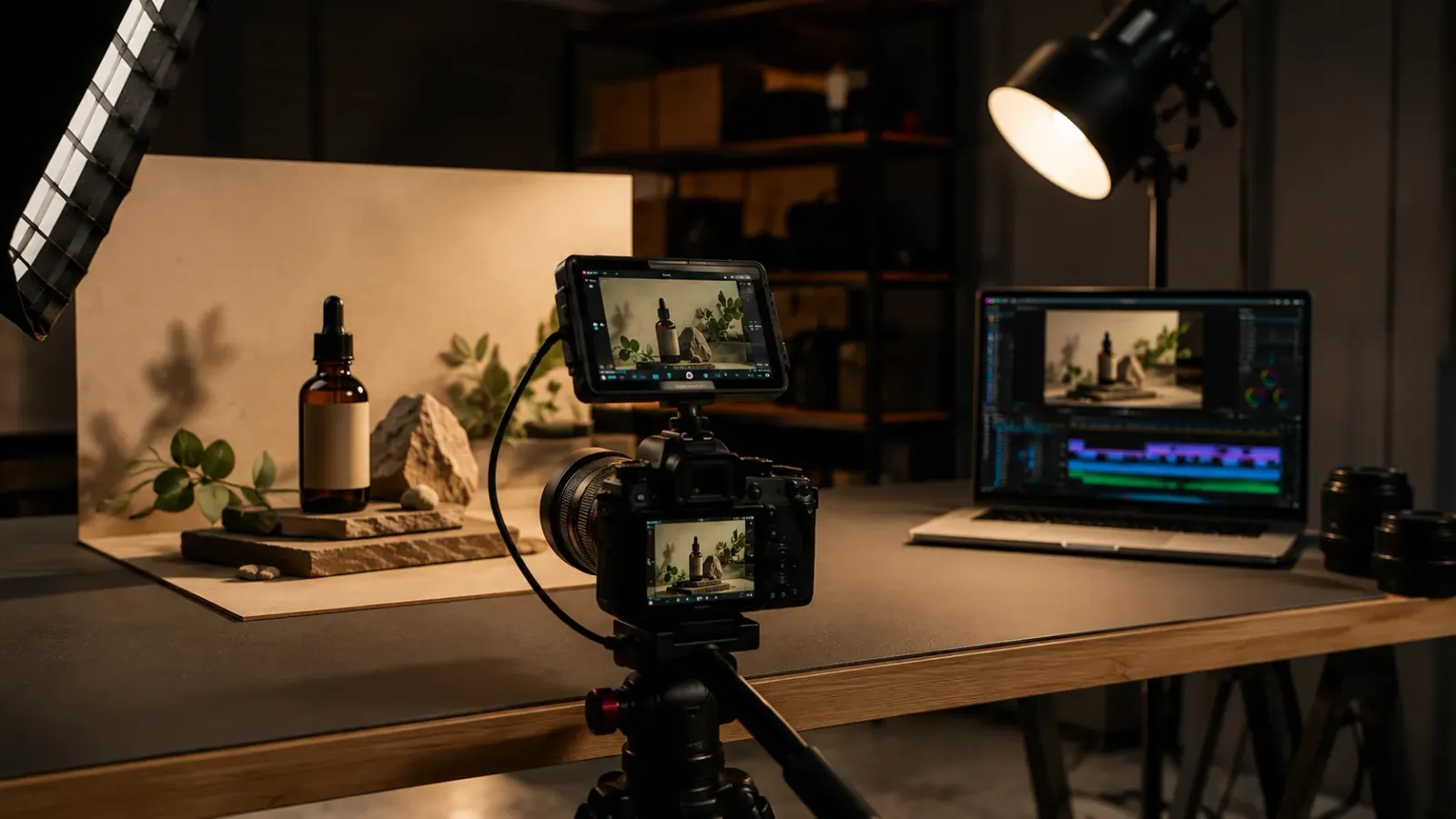
Shopify Product Video: The Editing Checklist That Lowers Bounce Rate
Adding a video to your Shopify product page is not the same as adding a video that lowers bounce rate and increases conversion. Most product videos on Shopify are too long, start too slowly, and are not optimized for silent autoplay on mobile. This editing checklist covers every decision that separates a product video that converts from one that gets scrolled past.
Dedicated Video Editor Service: When a Subscription Beats a Full-Time Hire
Most businesses that are considering hiring a full-time video editor have not run the real numbers. When you include benefits, equipment, software licenses, desk space, and management overhead, a full-time junior editor in the US costs $65,000 to $80,000 per year in total. This guide runs the full cost comparison and identifies the output threshold at which a subscription service wins on economics.
See if Editing Machine is the right fit for your content.
Take 90 seconds to tell us about your goals, content style, and volume. We'll show you which setup fits and exactly where to start.