LinkedIn Video for B2B: How to Edit Content That Drives Pipeline
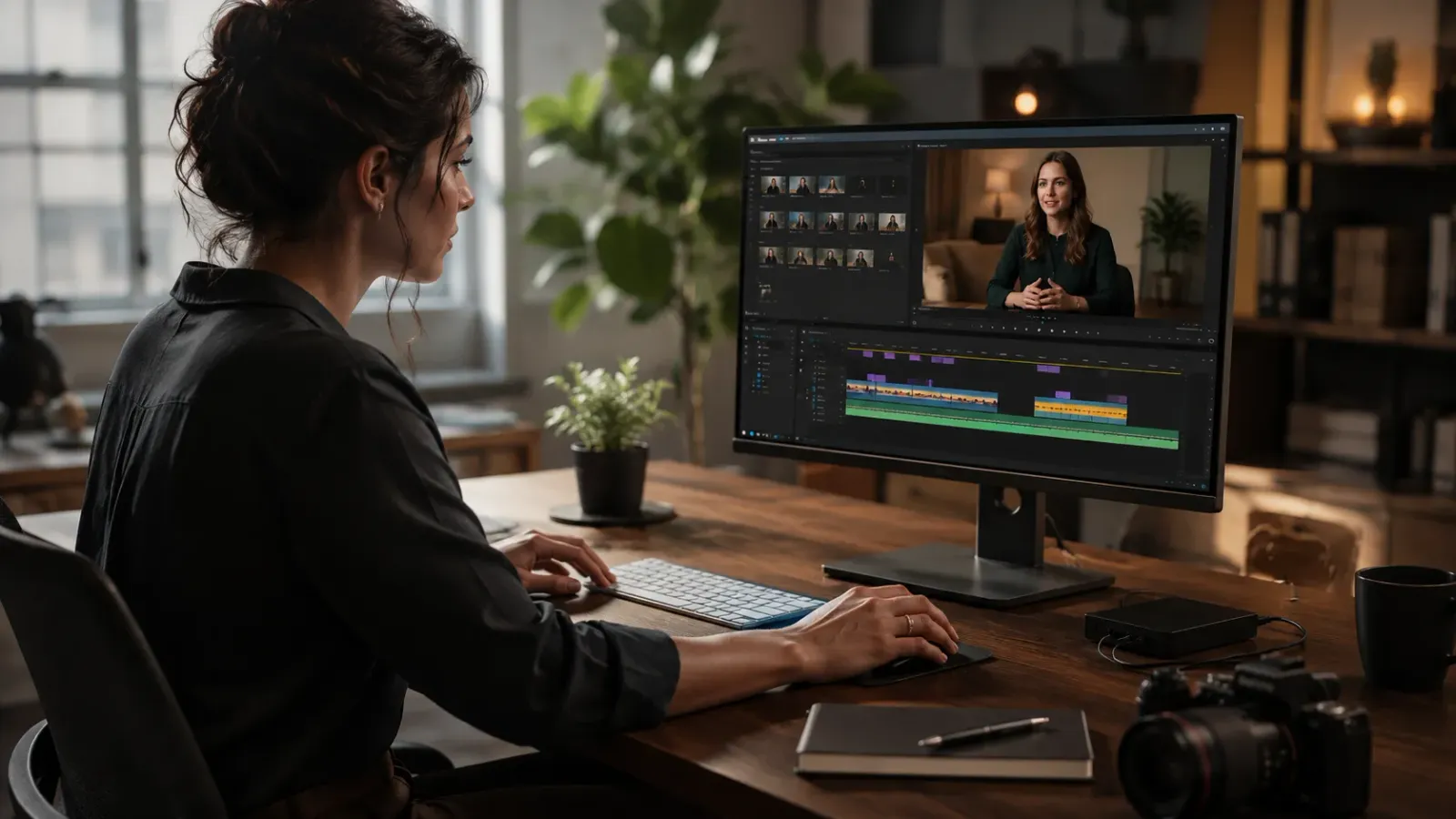
LinkedIn video is the fastest-growing content format for consultants and agencies, but most B2B brands are uploading content edited for a completely different platform. This guide covers the formats, caption requirements, and pacing decisions that separate LinkedIn videos that build pipeline from videos nobody finishes watching.
How Should B2B Companies Edit Video for LinkedIn? B2B video content for LinkedIn should be edited in square (1:1) or vertical (4:5) format, run 30 to 90 seconds for feed content, include burned-in captions since most views happen with sound off, and lead with a text hook in the first three seconds. LinkedIn rewards native video uploads over external links, and consistent posting outperforms occasional high-production content.
Key Takeaways:
Format Matters More Than Production Value: A well-formatted phone video outperforms a beautifully shot horizontal video that was never optimized for the LinkedIn feed.
Captions Are Mandatory, Not Optional: Sound-off viewing is the default behavior on LinkedIn. Uncaptioned video loses the majority of its audience in the first few seconds.
Consistency Beats Production Quality: A weekly cadence of well-edited 60-second videos builds more pipeline than monthly high-production pieces.
The B2B Opportunity Nobody Is Editing For
LinkedIn video consumption has grown faster than almost any other content format on the platform, yet the majority of B2B companies are still uploading video content that was edited for YouTube or Instagram and dropped onto LinkedIn unchanged. The result is video that looks out of place in the feed, gets ignored by the algorithm, and underperforms relative to the effort that went into producing it.
LinkedIn is not a smaller version of other platforms. It has its own viewing context, its own audience behavior, and its own specific editing requirements. Getting these details right is often the difference between a video that builds genuine pipeline and one that gets a handful of polite likes from colleagues.
Chapter 1: Format and Aspect Ratio
LinkedIn's feed is overwhelmingly viewed on mobile, where vertical and square video occupy significantly more screen real estate than horizontal video. A horizontal 16:9 video shrinks to a thin strip in the middle of a mobile screen, while a square or vertical video fills the frame and commands more attention as someone scrolls past.
Square (1:1) format works well for talking-head thought leadership content. Vertical (4:5) format works well for content that benefits from more visual height, such as a slide-based explainer or a behind-the-scenes clip. Horizontal format should be reserved for content that is genuinely landscape-dependent, such as a product demo screen recording, and even then a square crop of the same footage often performs better in feed.
Chapter 2: The First Three Seconds
LinkedIn autoplays video silently as someone scrolls. The first three seconds of any video need to do two jobs simultaneously: communicate the topic visually without relying on audio, and create enough curiosity that the viewer taps to unmute or keeps watching.
The most effective technique is a bold text hook overlaid on the opening frame, stating the core promise of the video in under ten words. This is the same hook discipline used in short-form social content generally, and the principles translate directly. For more on hook construction for high-stakes attention windows, the same first-three-second discipline is covered in our guide on direct response video briefing, The Perfect Creative Brief Template for Direct Response Video.
Chapter 3: Captions Are Not Optional
Industry data consistently shows the majority of LinkedIn video views happen with sound off. A video without burned-in captions is, for most of its audience, a silent video with a talking person on screen and no way to follow what is being said.
Burned-in captions, meaning captions rendered directly into the video file rather than relying on platform-generated auto-captions, ensure the message comes through regardless of audio settings and regardless of which platform the video eventually gets reshared on. For a deeper look at how captioning choices affect overall engagement and retention, see our research piece Captions vs. Subtitles: Engagement Impact Study.
Chapter 4: Length and Pacing for the LinkedIn Audience
LinkedIn's audience is in a professional headspace, often scrolling between meetings or during short breaks. This makes pacing decisions slightly different from consumer social platforms. The cuts can be a touch slower and more deliberate than TikTok-style rapid editing, because the LinkedIn audience is generally tolerant of, and even prefers, a more measured, credible pace that matches the platform's professional context.
That said, dead air and long unedited pauses still lose viewers. The right approach removes filler words, tightens pauses, and keeps each individual point under 15 seconds even within a longer video, so the content always feels like it is moving forward.
Chapter 5: Building a Sustainable LinkedIn Video Cadence
The single biggest mistake B2B companies make with LinkedIn video is treating it as an occasional project rather than an ongoing content system. A single highly produced video posted once a quarter does not build the audience familiarity that drives pipeline. A consistent weekly cadence of well-edited, properly formatted videos does.
This requires the same systemization that high-ticket coaches and consultants apply to their broader content output. Our guide on The No-Burnout Content Workflow for High-Ticket Coaches covers how to batch record source material so a consistent posting cadence does not require constant new filming. For consultants and founders who are currently editing their own LinkedIn videos, our piece Stop Editing Your Own Videos: A CEO's Time Audit breaks down the actual time cost of doing this in-house versus outsourcing it.
For agencies managing LinkedIn video production across multiple client accounts, a documented SOP prevents quality drift between editors. See our template in How to Create a Video Editing SOP for Your Team.
Frequently Asked Questions
Q: What length should a LinkedIn video be for B2B content?
A: 30 to 90 seconds performs best for thought leadership and talking-head content on LinkedIn. Longer-form content (3 to 8 minutes) works for in-depth case studies or webinar clips, but should be edited tightly to maintain engagement throughout.
Q: Should LinkedIn videos have captions?
A: Yes. The majority of LinkedIn video views happen with sound off in feed. Burned-in captions are essential for retaining attention and conveying your message without audio.
Q: What is the best video format for LinkedIn?
A: Square (1:1) or vertical (4:5) formats perform best in the LinkedIn feed because they occupy more screen space than horizontal video on mobile devices, where the majority of LinkedIn browsing happens.
Q: How often should B2B companies post video on LinkedIn?
A: 1 to 3 times per week is a sustainable cadence for most B2B brands and consultants. Consistency matters more than frequency. A single well-edited video per week outperforms five rushed, unedited clips.
Ready to turn your raw recordings into a consistent LinkedIn presence? Editing Machine handles the formatting, captioning, and pacing your B2B video needs to actually build pipeline. Start Creating Now.
More from the Blog
Video Content Repurposing: The 10x Multiplier Framework
Most content creators treat repurposing as something they do when they have time, which means they almost never do it. The 10x Multiplier Framework treats it as the default production model: every recording session is planned with repurposing built in from the start, and every edited asset points toward the next format. This guide covers the full framework and the specific formats each recording type should produce.
Shopify Product Video: The Editing Checklist That Lowers Bounce Rate
Adding a video to your Shopify product page is not the same as adding a video that lowers bounce rate and increases conversion. Most product videos on Shopify are too long, start too slowly, and are not optimized for silent autoplay on mobile. This editing checklist covers every decision that separates a product video that converts from one that gets scrolled past.
Dedicated Video Editor Service: When a Subscription Beats a Full-Time Hire
Most businesses that are considering hiring a full-time video editor have not run the real numbers. When you include benefits, equipment, software licenses, desk space, and management overhead, a full-time junior editor in the US costs $65,000 to $80,000 per year in total. This guide runs the full cost comparison and identifies the output threshold at which a subscription service wins on economics.
See if Editing Machine is the right fit for your content.
Take 90 seconds to tell us about your goals, content style, and volume. We'll show you which setup fits and exactly where to start.